
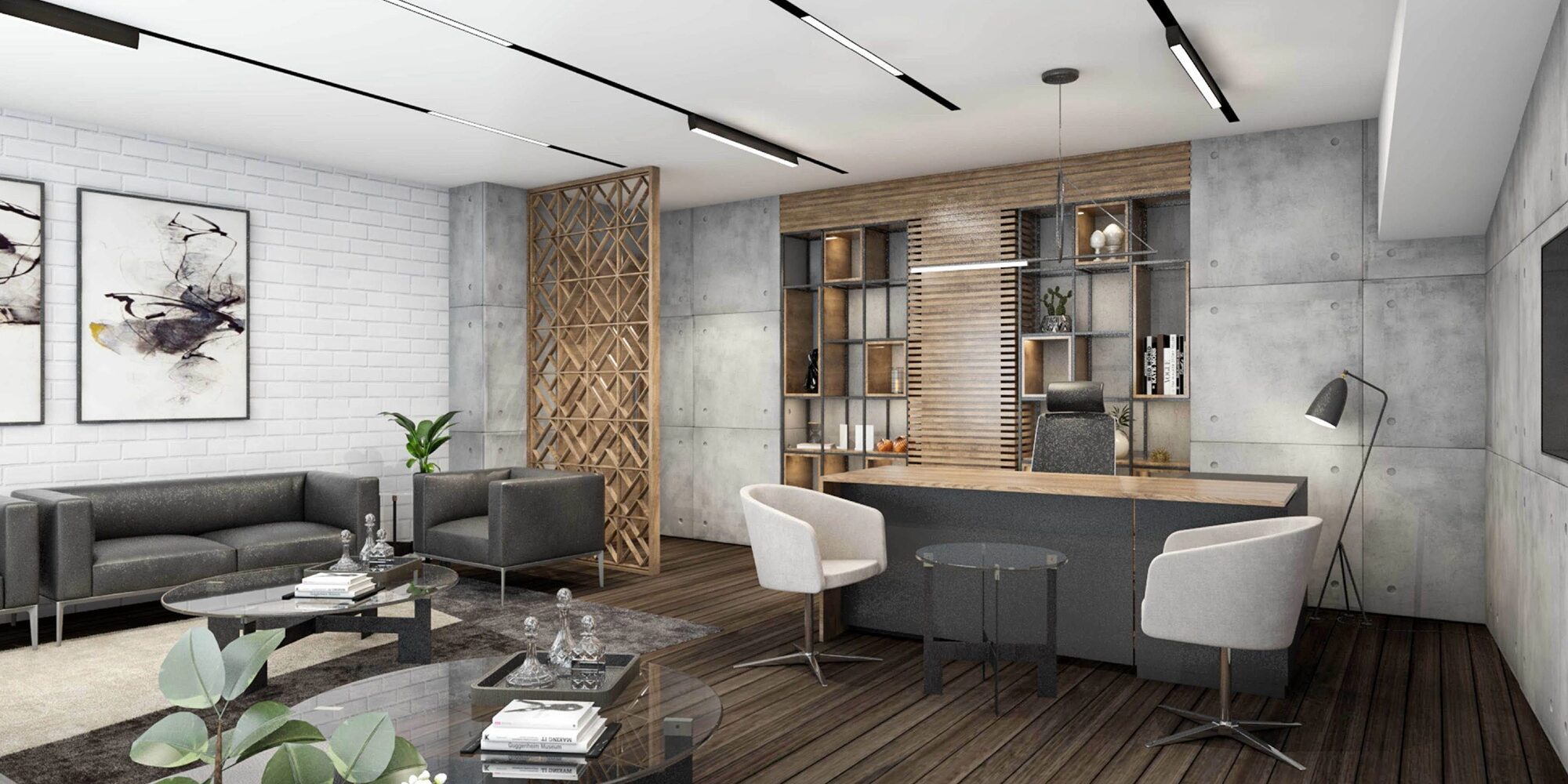
Dubai is globally known for its bold architecture, futuristic skylines, and luxury lifestyle. As Office space design dubai to attract multinational firms, start-ups, creative agencies, and boutique operations, the demand for office spaces that are impressive visually, highly functional, sustainable, and culturally resonant is ever increasing.
Here are key considerations and emerging trends in office space design in Dubai.
Key Principles to Keep in Mind
- Climate & Environmental Control
- Good HVAC systems, shade, insulation, and smart glazing help.
- Cultural / Regional Aesthetics
- Incorporate elements of Islamic design: geometric patterns, mashrabiya screens, arches, calligraphy, etc., can bring regional identity and elegance.
- Use locally sourced materials (stone, woods, metals) to tie in with local culture and reduce import costs.
- Colours and textures that resonate with the desert environment—sand tones, earthy hues, cool blues, metals—create a sense of place.
- Flexibility & Modularity
- Hybrid work models are here to stay; spaces for concentrated individual work, collaborative zones, and meeting pods are all needed.
- Technology Integration
- Smart building systems for lighting, climate, security, and access control are increasingly standard.
- Provisions for hybrid meeting tech — high quality video conferencing, acoustic treatments, and strong network infrastructure.
- Well-planned power and data outlets: always anticipate equipment needs, wireless vs wired, and charging zones.
- Sustainability & Wellness
- Use energy-efficient lighting (LED), low‐VOC paints, recyclable materials, water‐saving fixtures.
- Indoor plants, biophilic design features: green walls, daylight, views of nature or water help reduce stress and boost productivity.
- Good air quality, daylighting, acoustic comfort, ergonomic furniture = all part of wellness-centric design.
- Luxury Finishes vs Cost Efficiency
- Dubai expectation: often luxury finishes in public/entrance/meeting zones (marble, glass, metal accents, polished surfaces).
Design Trends in Dubai Offices
- Open Plan with Zones: large open workspaces combined with “quiet booths,” focus rooms, breakout lounges.
- Biophilic Interiors: green features, indoor gardens, large planters, even water features where possible.
- Smart Lighting: Natural light maximized; LED lighting with color temperature control to suit time of day; accent lighting for focal points.
- Statement Reception & Entrance Spaces: lobbies that impress, high ceilings, feature walls, art installations.
- Co-working & Shared Spaces: as Dubai’s startup ecosystem grows, flexible co-working spaces with communal amenities are rising.
Planning & Execution Tips
- Proper Space Planning & Circulation: ensuring pathways are logical, avoiding congestion; taking into account movement of people, furniture, equipment.
- Acoustics: open offices can be noisy—use acoustic panels, ceiling treatments, carpets or rugs to dampen noise. Meeting rooms need sound insulation.
- Furniture Ergonomics: adjustable chairs, good desks, comfortable collaborative seating. Comfortable furniture supports health and productivity.
- Regulation & Permits: comply with local building codes, fire safety, accessibility (for people with disabilities), etc.
Challenges & Solutions
| Challenge | Possible Solutions |
|---|---|
| High external heat and solar gain | High-performance glazing; shading devices; reflective or insulated roofing; proper facade design |
| Dust & sand ingress | Use of vestibules; air filters; sealed windows; regular maintenance routines |
| Energy costs | Solar shading; efficient HVAC; motion-sensor lighting; renewable energy where feasible |
| Rapid growth & change | Modular interiors; flexible partitions; furniture that can be reconfigured |
| Balancing aesthetics vs functionality | Use luxury finishes in public zones; durable materials elsewhere; prioritize function in high-use areas |
Conclusion
Designing an office space in Dubai involves balancing luxury and prestige with the practical demands of heat, lighting, energy, comfort, and flexibility. Well‐designed spaces should reflect regional culture, inspire occupants, support wellbeing, and adapt to changing ways of working.